It was Thursday, 4th August 1983 in what was soon to be
renamed Burkina Faso. On this day, a coup d’etat led by Captains Thomas Sankara
and Blaise Compaoré set in motion a Pan-Africanist, Marxist, revolution which
sought to liberate Franz Fanon’s “wretched of the earth” from the clutches of
imperialism and neo-colonialism. Sankara emphasised the universality of the
Burkinabe revolution in his address to the UN General Assembly a year after
becoming President of the National Council of the Revolution.
Showing posts with label Sokari Ekine. Show all posts
Showing posts with label Sokari Ekine. Show all posts
Saturday, 17 November 2012
‘I can hear the roar of women’s silence’
On the 25th Anniversary of Sankara's assassination Sokari
Ekrine considers the importance of his vision for women's emancipation. Red Pepper


Thursday, 1 September 2011
Women in South African History by Nomboniso Gasa
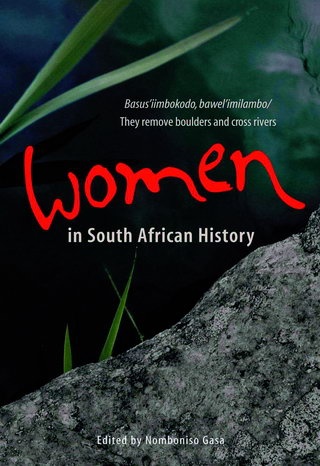
A review by Sokari Ekine, The New Internationalist
Women in South African history traces the lives of South African women from the pre-colonial, pre-union period (mid-18th century) to the post-apartheid beginnings and present day South Africa. It is written in four thematic parts: Women in the pre-colonial and pre-union periods; Women in early to mid-20th century South Africa; War: armed and mass struggle as gendered experiences; The 1990s and beyond: new identities, new victories, new struggles.
Thursday, 23 June 2011
Xenophobia: call to action
by Nomboniso Gasa, Loudrastress, 2008 (There is a review of Gasa's edited book, Women in South African History, by Sokari Ekine, here.)
When crimes begin to pile up they become invisible.
When sufferings become unendurable the cries no are no longer heard.
The cries too, too, fall like rain summer – Bertolt Brecht
This is an email I have dreaded writing for days but whose time has come nevertheless. There can be no doubt that the violence that is erupting in our country has reached levels that compel us to respond in ways that are driven by clarity of thought, moral conviction and a clear refusal to allow our hard worn freedom to be taken by criminals- irrespective of the masquerade they use.
When crimes begin to pile up they become invisible.
When sufferings become unendurable the cries no are no longer heard.
The cries too, too, fall like rain summer – Bertolt Brecht
This is an email I have dreaded writing for days but whose time has come nevertheless. There can be no doubt that the violence that is erupting in our country has reached levels that compel us to respond in ways that are driven by clarity of thought, moral conviction and a clear refusal to allow our hard worn freedom to be taken by criminals- irrespective of the masquerade they use.
Subscribe to:
Comments (Atom)